
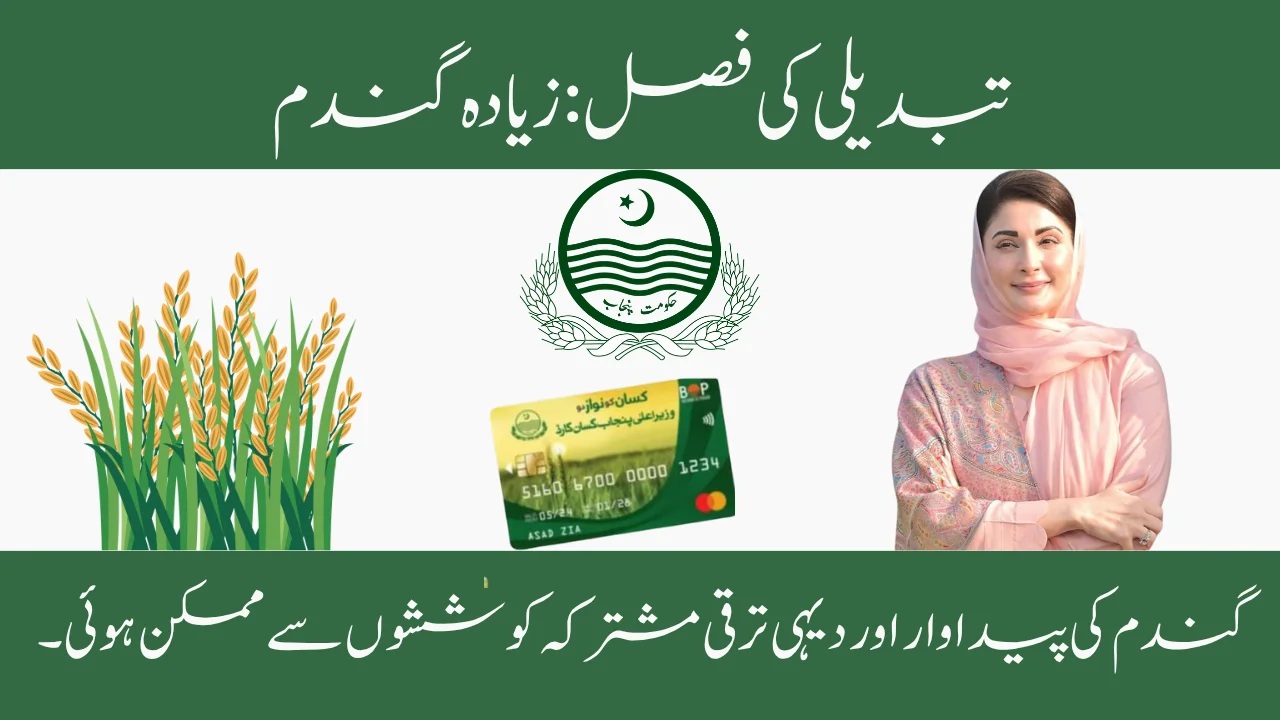
Harvesting Change: The Grow More Wheat Journey
Wheat farming in Pakistan had many problems, like low yields and not enough food. Farmers and families struggled with old methods. The Grow More Wheat campaign brought experts and local communities together. It taught simple ways to grow more wheat. Small projects later spread across the country, helping farmers and villages. Grow More Wheat Pakistan.
Read more :Impact of Grow more Wheat on Food Supply
پاکستان میں گندم کی کاشت میں بہت سے مسائل تھے، جیسے کم پیداوار اور کافی خوراک نہ ہونا۔ کسانوں اور خاندانوں نے پرانے طریقوں سے جدوجہد کی۔ Grow More Wheat مہم نے ماہرین اور مقامی کمیونٹیز کو اکٹھا کیا۔ اس میں زیادہ گندم اگانے کے آسان طریقے سکھائے گئے۔ چھوٹے منصوبے بعد میں پورے ملک میں پھیل گئے، کسانوں اور دیہاتوں کی مدد کی۔
Origins of the Campaign:
- Population growth: More people needed more wheat than farms could grow.
- High import costs: Buying wheat from other countries used up Pakistan’s money.
- Soil problems: Farming without proper care made soil weak.
- Low farmer income: Traditional methods did not give enough money.
- Government support needed: Officials wanted to increase wheat production.
- Village talks: Experts visited farmers to understand their problems.
New Farm Practices:
- Certified seeds replaced low-yield seeds.
- Soil tests showed what nutrients were needed.
- Farmers learned to water crops at the right time.
- Training taught correct seed depth and spacing.
- Early weed control saved labor and chemicals.
- Pest checks helped target treatment.
- Cooperatives shared machinery with small farmers.

Farmer Training:
- Local training centers are taught nearby.
- Demo fields showed new farming methods.
- Experienced farmers shared tips with neighbors.
- Officers visited villages to support farmers.
- Radio programs gave seasonal tips.
- Picture guidebooks made learning easy.
- Young people were trained to continue better farming.
Village Economic Benefits:
- More income: Higher yields gave more grain to sell.
- Education: Families could pay for school.
- Health: Extra earnings made medical care possible.
- Less waste: Better storage stopped grain from spoiling.
- Jobs: Processing and services employed villagers.
- Women’s work: Women helped in packaging and quality checks.
- Local business growth: Shops expanded as people had more money.
- Debt relief: Families could repay loans and avoid borrowing again.
Overcoming Challenges:Grow More Wheat Pakistan
- Planting strategies worked in different weather.
- Subsidies and group buying made inputs affordable.
- Multiple ways to share information helped all farmers.
- Guaranteed prices reduced market risk.
- Small test plots allowed cautious farmers to try new methods.
- Credit programs provided funds for seeds and tools.
- Mobile centers reached villages without permanent offices.
- Read more: Grow more Wheat Program
Using Technology:Grow More Wheat Pakistan
- SMS alerts warned about rain or temperature changes.
- Mobile apps connected farmers with experts.
- Satellite monitoring spotted stressed crops.
- Online platforms linked farmers to buyers directly
- Weather forecasts helped plan farming tasks.
- GPS machines applied seeds and fertilizers evenly.
- Videos showed easy farming techniques.

Sustainable Farming:Grow More Wheat Pakistan
- Crop rotation restored soil naturally.
- Compost and plant waste improved soil.
- Drip irrigation and mulch saved water.
- Plant diversity attracted helpful insects.
- Less plowing reduced soil loss.
- Balanced fertilizers kept soil healthy.
- Heat-resistant wheat grew well in hot, dry areas.
Conclusion:
The Grow More Wheat campaign increased wheat production and helped farmers learn better farming. Villages grew stronger, young people found jobs, and Pakistan’s food supply improved. Respecting farmers and sharing knowledge brought lasting progress.
FAQ’s:
Are the new seeds expensive?
No, subsidies make them affordable and worth it because yields are higher.
How do farmers learn?
Through village workshops, demo fields, radio programs, and mobile support.
What if farmers can’t buy machinery?
Shared cooperative machinery gives access without buying individually.