
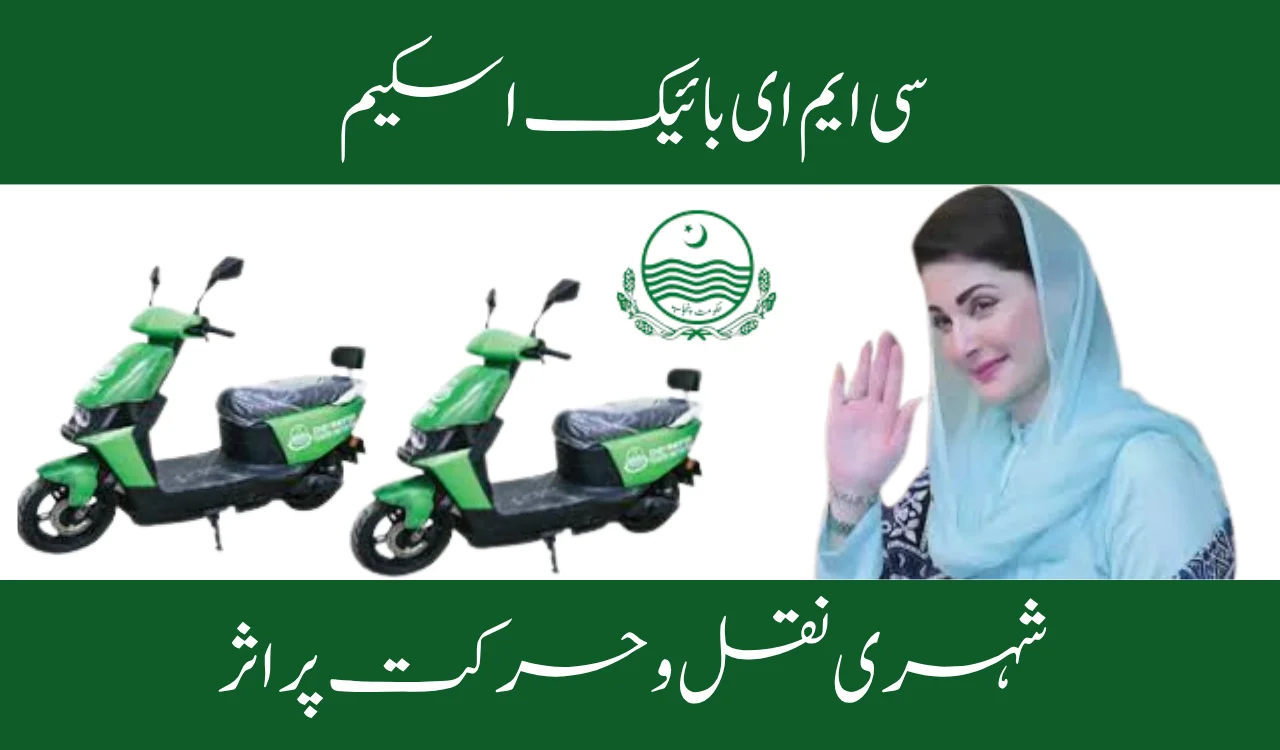
CM E-Bike Scheme: Impact on Urban Mobility
Traffic congestion and air pollution are major challenges in cities. The Chief Minister’s E-Bike Scheme provides affordable electric bicycles to help solve this problem. Working professionals, students, and low-income households benefit the most. Since e-bikes do not release harmful emissions, they offer a clean and low-cost way to travel every day. The scheme supports better transportation access while helping create cleaner and healthier urban environments.
Read more: Impact of the CM E-Bikes Scheme on Environment and Traffic
شہروں میں ٹریفک کی بھیڑ اور فضائی آلودگی بڑے چیلنجز ہیں۔ چیف منسٹر کی ای بائیک اسکیم اس مسئلے کو حل کرنے میں مدد کے لیے سستی الیکٹرک سائیکلیں فراہم کرتی ہے۔ کام کرنے والے پیشہ ور افراد، طلباء اور کم آمدنی والے گھرانوں کو سب سے زیادہ فائدہ ہوتا ہے۔ چونکہ ای بائک نقصان دہ اخراج نہیں چھوڑتی ہیں، اس لیے وہ ہر روز سفر کرنے کے لیے ایک صاف اور کم لاگت کا طریقہ پیش کرتی ہیں۔ یہ اسکیم صاف ستھرا اور صحت مند شہری ماحول بنانے میں مدد کرتے ہوئے نقل و حمل کی بہتر رسائی کی حمایت کرتی ہے۔
Overview of the CM E-Bike Scheme:
- The program distributes electric bikes through subsidized financing models.
- Target beneficiaries include students, government employees, and marginalized communities.
- The registration process operates through digital platforms ensuring transparency.
- Bikes feature modern specifications with 40-60 km range per charge.
- Government partnerships with manufacturers keep costs affordable.
- Installment payment options make ownership accessible to lower-income groups.
Environmental Benefits and Sustainability:
- Zero emissions during use.
- Less fossil fuel consumption.
- Lower air and noise pollution.
- Supports climate goals.
- Reduces fuel dependency.
- Promotes renewable energy.
Economic Impact on Beneficiaries:
- Monthly transportation costs are reduced by 60-70% compared to traditional vehicles.
- Savings on fuel expenses enable better household budget management.
- Minimal maintenance requirements lower long-term ownership costs.
- Income generation opportunities through delivery and ride-sharing services.
- Job creation in electric vehicle servicing and charging infrastructure.
- Reduced financial burden on daily wage earners and students.
Accessibility and Inclusivity Aspects:
- Prioritization of female applicants promotes gender equality in mobility.
- Special quotas for disabled persons ensure inclusive transportation access.
- Rural-urban connectivity improves through expanded distribution networks.
- Student-focused allocation supports educational pursuits without financial strain.
- Elderly citizens gain independent mobility options with user-friendly designs.
- Low-income families receive priority consideration in allocation processes.
Infrastructure Development Requirements:
- Charging station networks require expansion across urban centers.
- Integration with existing public transport hubs enhances multimodal connectivity.
- Dedicated bike lanes improve safety for e-bike users.
- Parking facilities need adaptation for increased two-wheeler volumes.
- Maintenance workshops and service centers require establishment.
- Grid capacity upgrades necessary to support charging demand.
Behavioral Changes in Commuting Patterns:
- Shift from cars to e-bikes for short trips.
- Less crowding on public transport.
- More interest in green travel options.
- Rising eco-awareness.
- Push for bike-friendly city planning.
- Youth driving adoption trends.
- Read more: CM Introduces Subsidy on Electric Bikes

Challenges and Implementation Barriers:
- Initial infrastructure gaps limit widespread adoption rates.
- Battery disposal and recycling mechanisms remain underdeveloped.
- Weather conditions affect usability during monsoon seasons.
- Technical knowledge gaps among users require training programs.
- Electricity supply inconsistencies impact charging reliability.
- Quality control concerns emerge with rapid scaling of distribution.
Comparative Analysis with Global Models:
- China’s e-bike market demonstrates successful mass adoption strategies.
- European cities integrate e-bikes with comprehensive cycling infrastructure.
- Netherlands’ cycling culture provides lessons in policy integration.
- Subsidy models from various countries offer framework insights.
- Battery technology advancements in developed nations inform improvements.
- Regulatory approaches from international experiences guide policy refinement.
Long-term Urban Planning Implications:
- City master plans incorporate dedicated cycling corridors.
- Land use patterns adapt to accommodate bike-sharing stations.
- Public health improvements through increased physical activity.
- Reduced pressure on existing road infrastructure and parking spaces.
- Smart city initiatives integrate e-bike data for traffic management.
- Tourism sectors explore e-bike rentals as sustainable sightseeing options.
Future Prospects and Scalability:
- Expansion to tier-2 and tier-3 cities enhances nationwide impact.
- Technology upgrades promise longer battery life and faster charging.
- Solar-powered charging stations increase sustainability quotients.
- Manufacturing localization reduces costs and creates employment.
- Integration with mobile applications improves user experience.
- Potential for regional variations addressing specific geographical needs.
Conclusion:
The CM E-Bike Scheme works well to fix transportation problems and keep the environment safe. The program helps people save money and gives everyone better ways to travel, even with some challenges. Better technology and more charging stations will make it even stronger in coming years. This shows how good planning can build healthier cities where everyone gets fair treatment.
FAQs:
Who qualifies for the CM E-Bike Scheme?
Students, working people, women, disabled folks, and families without much money get it first.
What is the cost structure for beneficiaries?
The bikes cost less than normal, and you pay small amounts each month for two or three years.
How does this scheme compare to traditional bike programs?
These have motors to help you pedal, cost way less than motorcycles, and don’t harm nature.